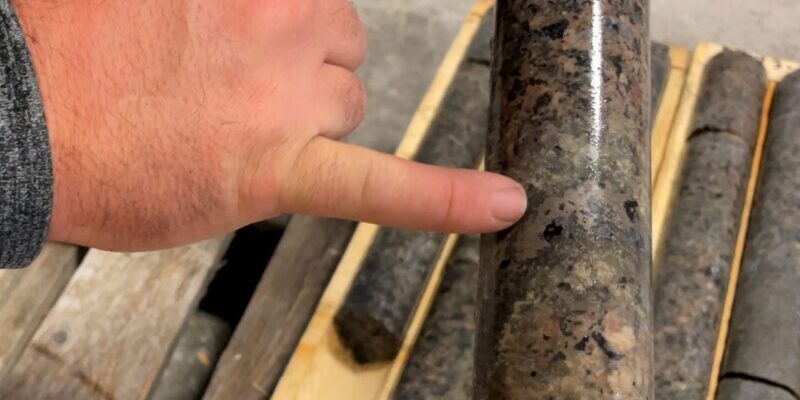
Declining Exploration Spending Threatens the Future of South Africa’s Mining Industry
South Africa’s Mineral Exploration Spending Falls for Seventh Straight Year as Zambia and DRC Attract Investors
Spending on mineral exploration in South Africa has declined for the seventh consecutive year, highlighting persistent structural challenges in the country’s efforts to revitalize its mining sector.
Despite remaining Africa’s largest exporter of mineral products, the country is witnessing a steady reduction in budgets allocated to exploration activities an essential stage for identifying new mineral deposits and developing future mining projects.
As investment weakens, competing mining jurisdictions such as Zambia and the Democratic Republic of the Congo are increasingly attracting exploration capital that might previously have flowed to South Africa.
Exploration Investment Continues to Fall
According to data released by Statistics South Africa, exploration spending in the country fell by 5.3% in 2025, reaching 738 million rand (approximately $43.9 million) when measured at constant 2015 prices.
The long-term trend is even more striking. Over the past three decades, investment in exploration activities has dropped by more than 85%, reflecting declining investor interest and structural challenges within the industry.
Mining Industry Warns of Future Project Shortages
The decline has raised concerns within the sector. The Minerals Council South Africa, the country’s main mining industry association, recently warned that exploration represents the “lifeblood” of the mining sector.
Without sustained investment in prospecting activities, the industry risks a shrinking pipeline of new mining projects capable of replacing aging operations.
Major companies represented by the council include firms such as Harmony Gold Mining Company and Exxaro Resources.
Analysts also point to the weak performance of junior mining and exploration companies, which traditionally play a key role in discovering new deposits. The decline in this segment is contributing to what some experts describe as the erosion of the sector’s long-term development pipeline.
Policy Reforms Proposed to Attract Investment
Economic researchers and industry experts argue that targeted reforms could help restore investor confidence in South Africa’s exploration sector.
Recommendations include introducing tax incentives for exploration companies, developing a transparent and accessible database of mining rights, and increasing public investment in geological mapping and data collection.
Authorities have already acknowledged the need for reform. The Department of Mineral and Petroleum Resources has outlined a strategy aimed at reversing the downward trend in exploration investment.
The plan seeks to increase South Africa’s share of global mineral exploration spending to around 5%, compared with less than 1% currently.
Mining Still Central to the Economy
Despite concerns over declining exploration activity, South Africa remains one of the world’s most important mining jurisdictions, supplying a wide range of commodities to international markets.
The country is a major producer of coal, gold, iron ore, manganese, chrome, and platinum-group metals, resources that continue to underpin the national economy.
Reflecting the sector’s ongoing importance, total mineral sales increased by 7.3% last year, reaching approximately 861 billion rand, demonstrating that mining still plays a central role in South Africa’s economic performance.
However, industry observers warn that without renewed exploration investment, the country risks losing its competitive edge in the global mining industry over the long term.